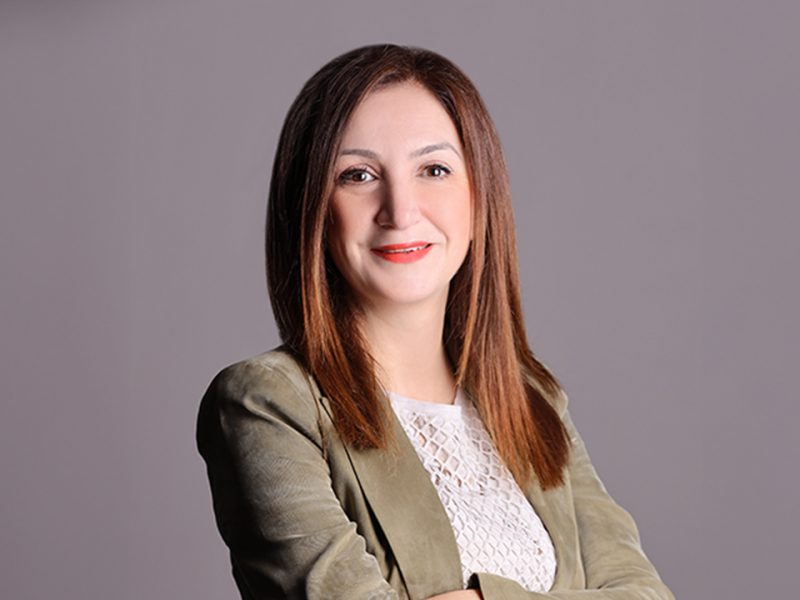
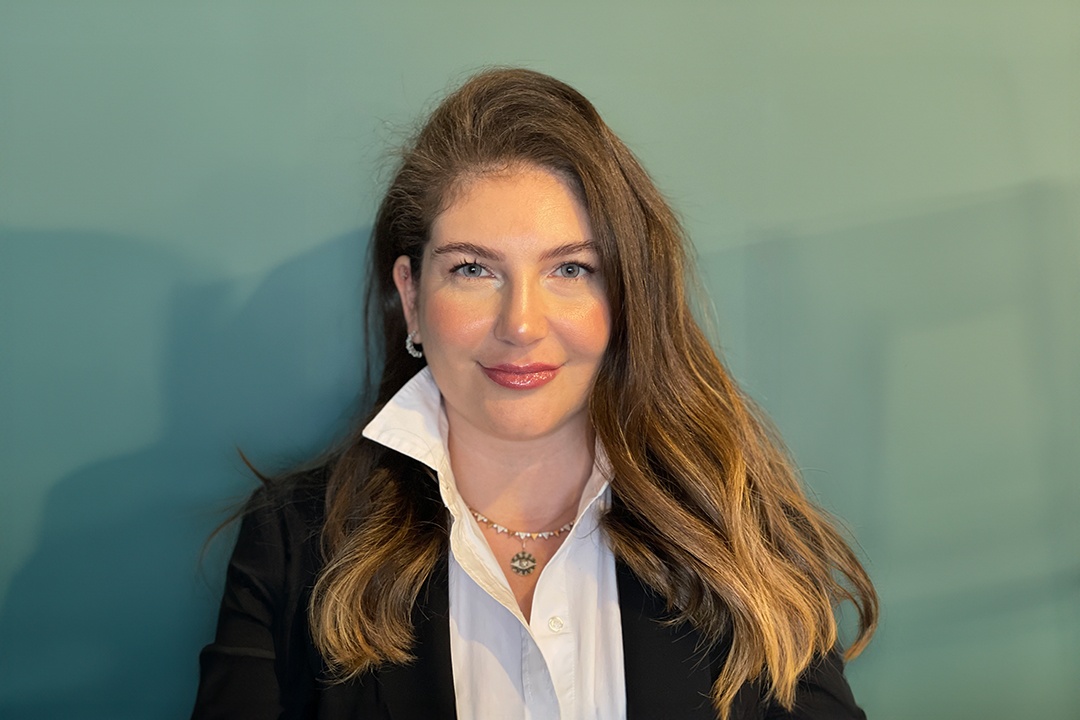
1. How has your career journey been so far? Can you talk about those who have illuminated your path and the significant turning points in your career journey to date?
My career journey took shape when I started working at our family company, Genç Gözde Agricultural Machinery, in 2004. By working in all departments of the company, I had the opportunity to learn every aspect of the business. This process allowed me to gain in-depth knowledge and experience in the agricultural machinery sector. After the sudden passing of my father in 2014, I continued my role as Chairman of the Board and Company Partner. We achieved a significant transformation by modernizing the company’s strategic directions and adopting innovative approaches. By placing importance on R&D and university-industry collaborations, we increased the company’s competitive power and positioned it more strongly in the international market. Genç Gözde Agricultural Machinery has taken significant steps in innovation and sustainability within the agricultural machinery sector. We have made substantial investments in R&D and developed new-generation agricultural machinery. Our innovative approach expanded our export network, allowing the company to be recognized globally and strengthening its presence in international markets to become competitive.
Active participation in university-industry collaboration projects was one of the important turning points in my career. To instill an R&D culture within the company and strengthen university-industry collaborations, we signed a consultancy agreement with FarmX Agricultural Technologies Inc., located within Çanakkale Technopark, where a professor and two associate professors who are experts in their field work. The implementation of the project has increased the company’s research and development capacity through long-term collaborations. Additionally, a new project application will be made, followed by a strategic collaboration and R&D agreement with the Agricultural Machinery and Technologies Engineering Department of Çanakkale Onsekiz Mart University’s Faculty of Agriculture. This will establish university-industry cooperation. Through these projects, we combined academic knowledge with industrial applications to develop innovative solutions. Pursuing a PhD within the TÜBİTAK 1501 Industrial R&D project was another significant milestone in my career. In these projects, we focused on advanced technology development, energy efficiency, and digital transformation. Our project is also among the Priority Key Technologies for Strategic and Needs-Oriented R&D and Innovation Topics within the scope of the 1501 Industrial R&D program. The project “Development and Improvement of Software and Hardware for Poultry Management Systems: Information systems for monitoring disease detection, feed consumption, health status, output quantity, and similar parameters, along with smart ventilation and lighting systems” includes these topics. We aimed to achieve digital transformation in agriculture and livestock with smart production systems and IoT applications. We implemented the system we developed in the farm of Uludağ University’s Faculty of Veterinary Medicine, combining theoretical knowledge with practical applications, where I also work as a doctoral researcher. This experience improved my research skills and problem-solving abilities.
Throughout my journey, one of the most important factors that inspired me was my dear husband, Ahmet Aşçıgil. He has been a source of morale and motivation during difficult times and one of my biggest supporters in my career journey. Additionally, my father’s work discipline and vision have been inspirational to me. My academic advisors and project partners have also been guiding figures. I would like to share the names of my esteemed professors:
Prof. Dr. Habib KOCABIYIK
Assoc. Prof. Dr. Arda AYDIN
Assoc. Prof. Dr. Anıl ÇAY
I extend my infinite gratitude to them.
Receiving the TOBB 100 award was a great honor for me and a significant turning point in my career. I received the award on February 8, 2022. This date is very valuable to me because it is the founding date of Genç Gözde Agricultural Machinery, February 8, 1989. An award 33 years later… I received it for my late father and dedicated it to him. It was an indication that my work and projects in the business world were appreciated. It also became a source of motivation that reinforced my leadership and contributions in the sector. This award not only recognized my individual achievements but also acknowledged the efforts and successes of the teams and projects I worked with. This success was the result of years of effort and dedication. It inspired me to set bigger goals and undertake more innovative projects. These turning points and sources of inspiration illuminated my career journey and played a crucial role in my success.
2. How did you intersect with Wtech? Can you talk about your relationship with the association?
My intersection with Wtech occurred during a transition period in my career. It was actually the result of a search to better understand the challenges faced by women in the industry and to find solutions to these challenges. As a woman working in the technology field, I was looking for a strong platform to connect with other professionals with similar experiences and to promote gender equality in the sector. Wtech emerged as a community that fully met these needs. Initially, I attended a panel organized by Wtech as an audience member. The speakers sharing their experiences in the sector and proposing solutions to the challenges they faced deeply impacted me. This event was a turning point for me, and I decided to become a corporate member. I started participating in Wtech’s activities. Every event I attended helped me develop both personally and professionally, and I began to contribute to efforts aimed at raising the voice of women in the technology sector by taking on more active roles within this platform.
3. In a world where technology is used for the benefit of humanity, what do you think an ideal world order should look like?
In an ideal world order where technology is used for the benefit of humanity, technology should be accessible and inclusive for everyone. This order should focus on improving the quality of life for all people while adhering to the principles of sustainability and environmental responsibility. Technological advancements in fundamental services such as education, healthcare, and transportation should be utilized to ensure equality and justice; in addition, data privacy and security should be guaranteed for every individual. Alongside a transparent and ethical governance structure that supports all segments of society, technology should be strategically used to enhance human well-being.
4. With the United Nations Climate Change Conference COP28, we are in a time where significant sustainability goals are being set for the world. What advice can you give for high-production capacity companies in the field of sustainability?
Energy Efficiency and Renewable Energy: Invest in energy-saving technologies to increase energy efficiency in production processes. Continuously monitor and optimize energy consumption using energy management systems. Use renewable energy sources such as solar, wind, or biomass in production facilities to reduce your carbon footprint. Accelerate the transition to sustainable energy by establishing your own energy production facilities.
Waste Management and Circular Economy: Develop methods to reduce the amount of waste in the production process. Create waste management plans to reduce, reuse, or recycle waste. Adopt circular economy models that will extend the product life cycle and reduce waste. Design your products to be easy to reuse and recycle.
Water Management: Increase water efficiency in production processes and invest in technologies that will minimize water consumption. Establish water recovery systems to enable the reuse of water. Use effective water treatment systems to treat wastewater and dispose of it without harming the environment.
Innovation and Technology: Invest in research and development (R&D) to develop sustainable technologies and production processes. Make production processes more sustainable with innovative solutions. Use digitization and automation technologies to make production processes more efficient and sustainable. Monitor and optimize processes with technologies such as data analytics and IoT.
Employee Training and Participation: Provide training to your employees on sustainability. Ensure that all employees are aware of sustainable practices. Encourage employee participation in sustainability projects. Strengthen your sustainability efforts with innovative ideas and suggestions from employees.
Reporting and Transparency: Regularly report your environmental performance and sustainability goals. Share this information transparently with your stakeholders.
Social Responsibility and Communication: Support sustainability projects by collaborating with local communities. Actively participate in environmental and social projects that benefit the community. Effectively communicate your sustainability efforts and achievements with communication strategies. This will enhance your brand’s reputation and gain the trust of your stakeholders. These recommendations can help high-production capacity companies achieve their sustainability goals and contribute to a more sustainable world in the long term.
5. How has your focus changed since your establishment with the development of technology? What steps are you taking to adapt to rapidly developing and transforming technology?
Founded in 1989, Genç Gözde Agricultural Machinery has significantly shifted its focus with the rapid development of technology. Initially, we transitioned from traditional production and business processes to digital transformation, making the most of the opportunities presented by technology. We continuously monitor new technologies and integrate suitable ones into our business processes, increasing our efficiency and competitive strength. To this end, we have increased our R&D investments and encouraged technology-based innovations. This has allowed us to continuously improve our products and services and adapt to the changing needs of our customers. We also closely follow digitalization trends in the industry and continuously review and update our business models and strategies.
Another step we have taken to adapt to technology is to continually update our skills and capabilities. We regularly provide training and development opportunities to our employees, encouraging them to produce creative solutions using the power of technology. Finally, we aim to establish technology partnerships and collaborations to keep up with the latest developments in the industry and integrate these developments into the core of our business. By quickly adopting innovations from external sources, we aim to maintain our competitive advantage and drive growth. These steps enable our company to adapt to technology and maintain its competitive advantage in a rapidly changing world. We embrace this approach to maintain flexibility and adaptability in a constantly evolving world with technological advancements.