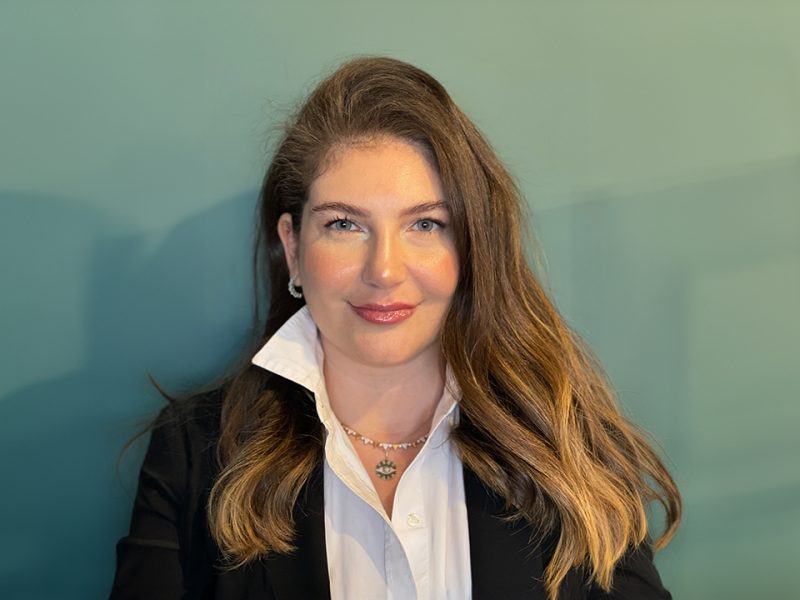
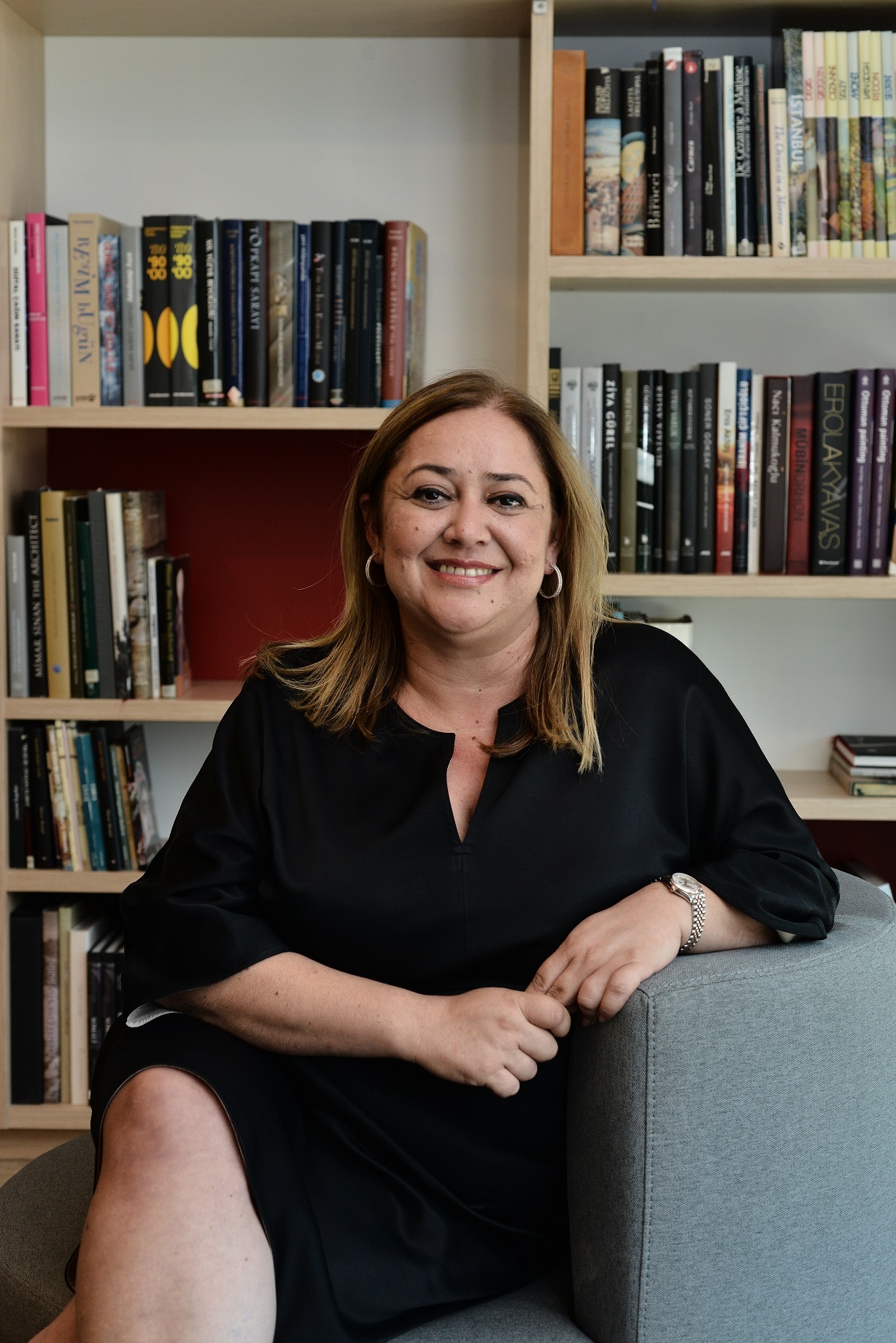
Through the “Conversations with Our Members” series, we have the opportunity to have an enjoyable conversation with one of the members of the Woman in Technology Association family, listen to their experiences, and learn about their relationship with technology. We are starting the series with our Board Member and the Akbank Executive Vice President of People and Culture, Pınar Anapa. In our interview, Ms. Anapa talks about her relationship with technology, the initiatives Akbank undertakes to increase the number of women in employment, entrepreneurial initiatives women take in Türkiye, and how professionals working in the field of human resources and culture should approach technology in light of changing technologies.
1.Could you tell us a bit about yourself?
I work as the Executive Vice President of People and Culture at Akbank. I have been working here since 1999. My journey with Akbank, which began in the Audit Committee, continues with the People and Culture Department. Additionally, I am a board member of the Woman in Technology Association. In my free time, I enjoy reading books, listening to music, and experiencing new things with my loved ones.
2.Could you elaborate on your personal relationship with technology? Where do you mostly use technology in your life?
Honestly, I use technology mostly in my work, and I can’t really make a clear distinction between the personal and professional use at work in this regard. Both are processes that inspire each other.
In all business units at Akbank, we incorporate technology extensively into People and Culture processes. Nowadays, when you aim to design the employee experience with the most innovative methods, technology acts as a compass. Therefore, I strive to continuously enhance my technology literacy and understand how I can use new technologies in my work. Once you experience what technology can do and its functional benefits, it becomes inevitable to extend that benefit to different areas.
3.What projects have you undertaken at Akbank recently to increase the number of women in technology?
At Akbank we know that sustainable success in technology can only be achieved through gender equality. We are implementing various projects to change perceptions that persist in certain fields of work based on gender, and trying to change decisions that are made – or not made- due to the gendering of certain occupations.
With this common goal in mind, we have different bootcamps carried out in collaboration with Up School, which was established with the mission of nurturing women leaders in technology. We also have collaborative bootcamps with Patika.dev, which shares a similar mission. Furthermore, through the Million Women Mentors Program, of which I am a founding member, Akbank employees volunteer to engage with young women aged 15-25, and provide guidance to them in STEM.
Of course, these are investments we are making for our youth expecting returns in the future. But what are we doing today? As part of our Women in Technology Program, we place extra emphasis on the recruitment processes for female candidates. To elaborate, if we have candidates with the same level of competence, we prioritize women.
I want to emphasize once again that sustainable success in technology is only possible this way. There are biases and statistics that we need to change together. I am pleased that we have initiated this transformation at Akbank. In 2023, 52% of the interns and part-time employees who joined Akbank Technology were women; this percentage is 36% in total hires, and we will continue working until it reaches at least 50%.
4.How do you evaluate the situation of female entrepreneurs in Türkiye? What institutional and cultural steps do we need to take to increase the number of female entrepreneurs?
I believe that the number of female entrepreneurs in Türkiye needs to increase because the stories of our female entrepreneurs inspire everyone.
For example, we mentioned Up School; the founder of this platform, Mina İlköz, serves as an inspiration to the masses. Similarly, you can listen to Gamze Cizreli’s story on the ‘Eyvah CEO Doğuruyor!’ podcast channel. You have heard of Ümmiye Koçak for sure. These stories come from all over Türkiye. I interpret the phenomenon of female entrepreneurship in Türkiye as an undiscovered gem, bearing these stories in mind. When I think of them cumulatively, it’s like a book that starts with increasing excitement but ends too quickly. It is as if much more could have been written about them.
I believe that many Turkish women have an entrepreneurial spirit within them. Every woman who has consciously or subconsciously fought for gender equality and faced inequalities -even unknowingly- is a go-getter.
We established the Akbank Transformation Academy last year to strengthen such traits even further at Akbank. We organized various events in collaboration with different stakeholders, such as the Ankara Women Entrepreneurs Council. This year, our main focus was on earthquake-stricken regions. With our Academy, we aim to contribute to both employment and the development of the region by organizing education programs on E-commerce, E-exports, Social Media Management and Marketing tailored to the needs of the people in the disaster area.
5.The advent of transformative technologies is posing challenges for human resources departments to understand competencies and hire the right candidates. In the upcoming days, what competencies should human resources departments have to ensure that recruitment processes proceed positively for both candidates and companies?
With the ongoing digital transformation process, there is a need for a new perspective and approach for the entire business world. HR professionals need to be open to digital culture, be curious about new developments, constantly follow them, research how they can affect business life, and consider how to use them to perform their jobs better.
Since technology is constantly evolving, I always highlight two competencies in these situations: “Curiosity and openness to learning.”